Author: Greta Facile
On 29 January 2026, the DIGITAL LEAPS Virtual Diagnostics Workshop was held at DESY as a satellite event of the DESY and European XFEL Users’ Meeting 2026.
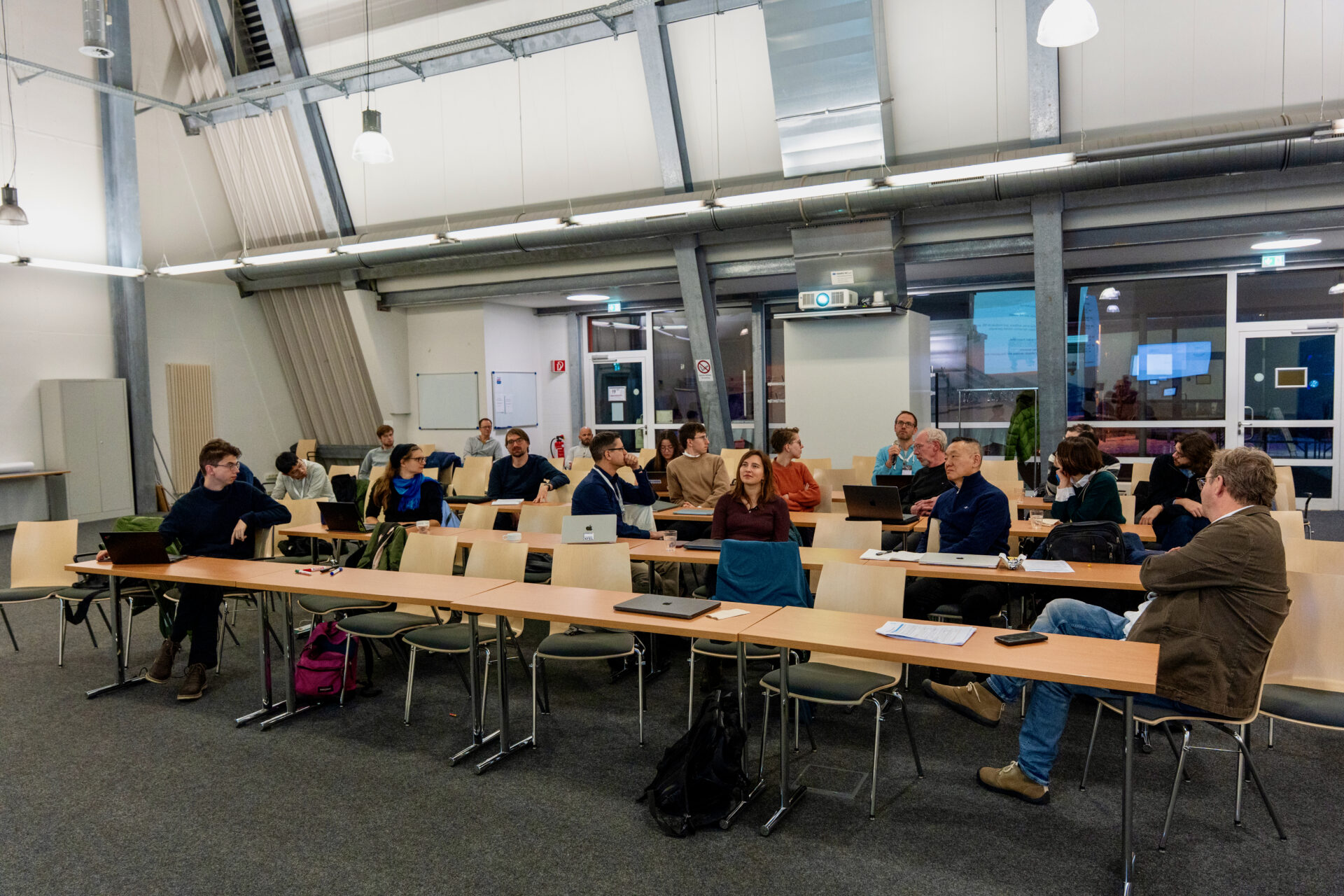
The workshop brought together 25 highly engaged participants from across Europe, representing a broad range of expertise in accelerator physics, photon science, diagnostics, and artificial intelligence/machine learning. By running the event alongside the Users’ Meeting, the organisers benefited from a strong on-site presence and created valuable opportunities for in-depth discussion and direct exchange.
The workshop focused on virtual diagnostics—an emerging and rapidly evolving area that leverages artificial intelligence, machine learning, and high-fidelity simulations to support the characterisation, control, and optimisation of beam performance in accelerator-based light sources. The programme offered a well-balanced perspective on both electron-beam and photon-beam diagnostics, with a strong emphasis on how virtual tools can be meaningfully integrated into day-to-day machine operations.
The morning sessions were dedicated to electron-beam diagnostics. Presentations covered a wide range of topics, including virtual diagnostics at the European XFEL, algorithmic reconstruction of multidimensional phase space, and predictive modelling frameworks deployed at STFC, MAX IV, KEK, and PITZ. Together, these contributions highlighted both methodological advances and practical experiences from multiple facilities, illustrating the growing maturity of virtual diagnostics approaches.
In the afternoon, the focus shifted to photon-beam diagnostics. Speakers presented advanced applications such as surrogate modelling for laser pulse shaping, unsupervised machine learning for X-ray power profile reconstruction, and real-time pulse characterisation enabling closed-loop experiments. Talks from European XFEL and the University of Liverpool demonstrated the versatility of these techniques and their potential to enhance experimental efficiency and data quality across different scientific environments.
Beyond its strong technical content, the workshop was also highly valuable from a strategic perspective. Participant feedback was overwhelmingly positive, particularly regarding the benefit of having a dedicated forum to identify shared challenges, exchange practical know-how, and reduce duplication of effort. In a field where similar problems are often addressed in parallel at different facilities, such focused interactions play an essential role in strengthening collaboration and accelerating innovation.
A heartfelt thank you goes to the organising team—especially Sergey Tomin, Kai Tiedtke, Raimund Kammering, and Christopher Arrell—for assembling such a high-quality and impactful programme. Sincere thanks are also due to all speakers, session chairs, and participants for their enthusiastic engagement and valuable contributions, which were key to making this workshop a clear success.
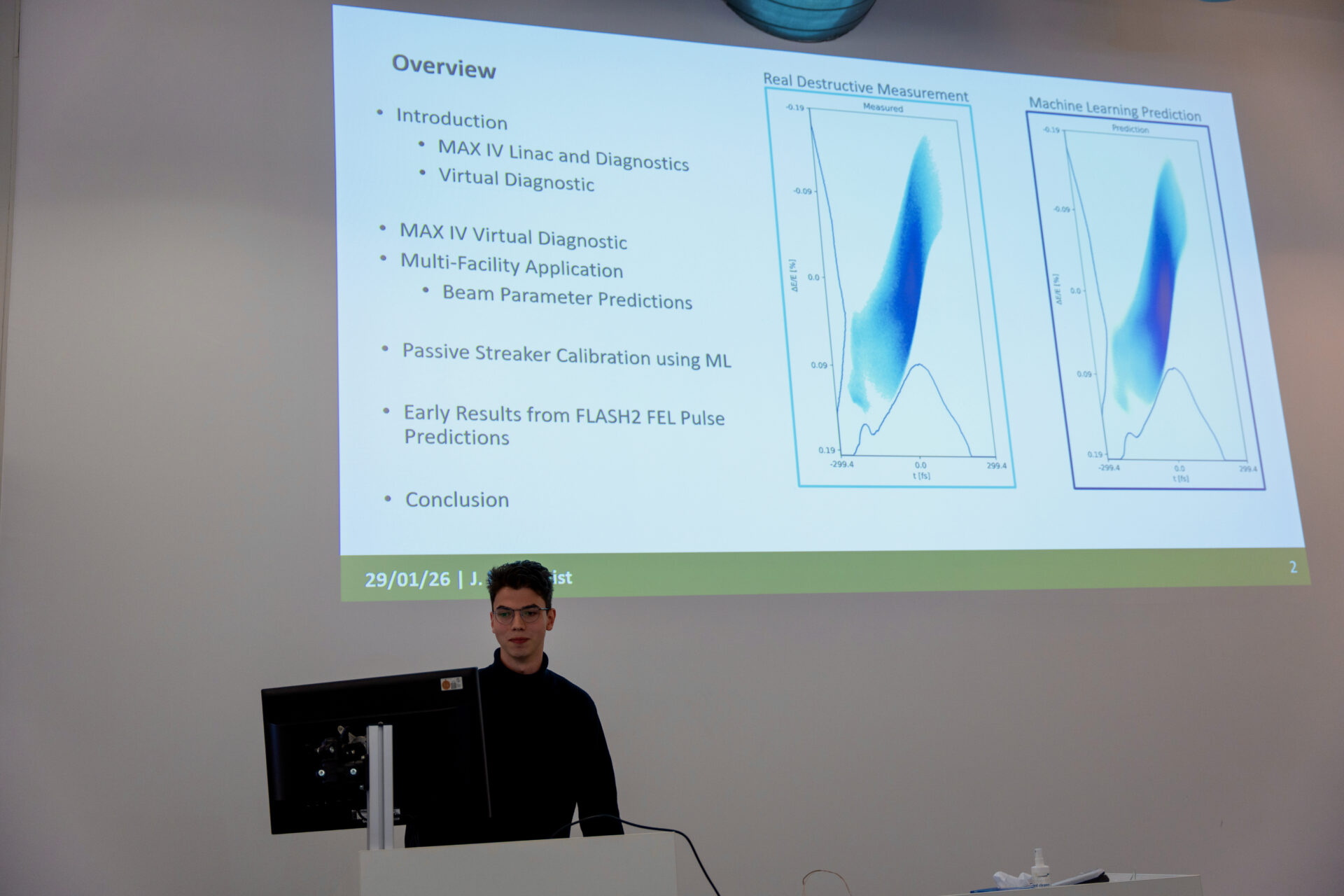
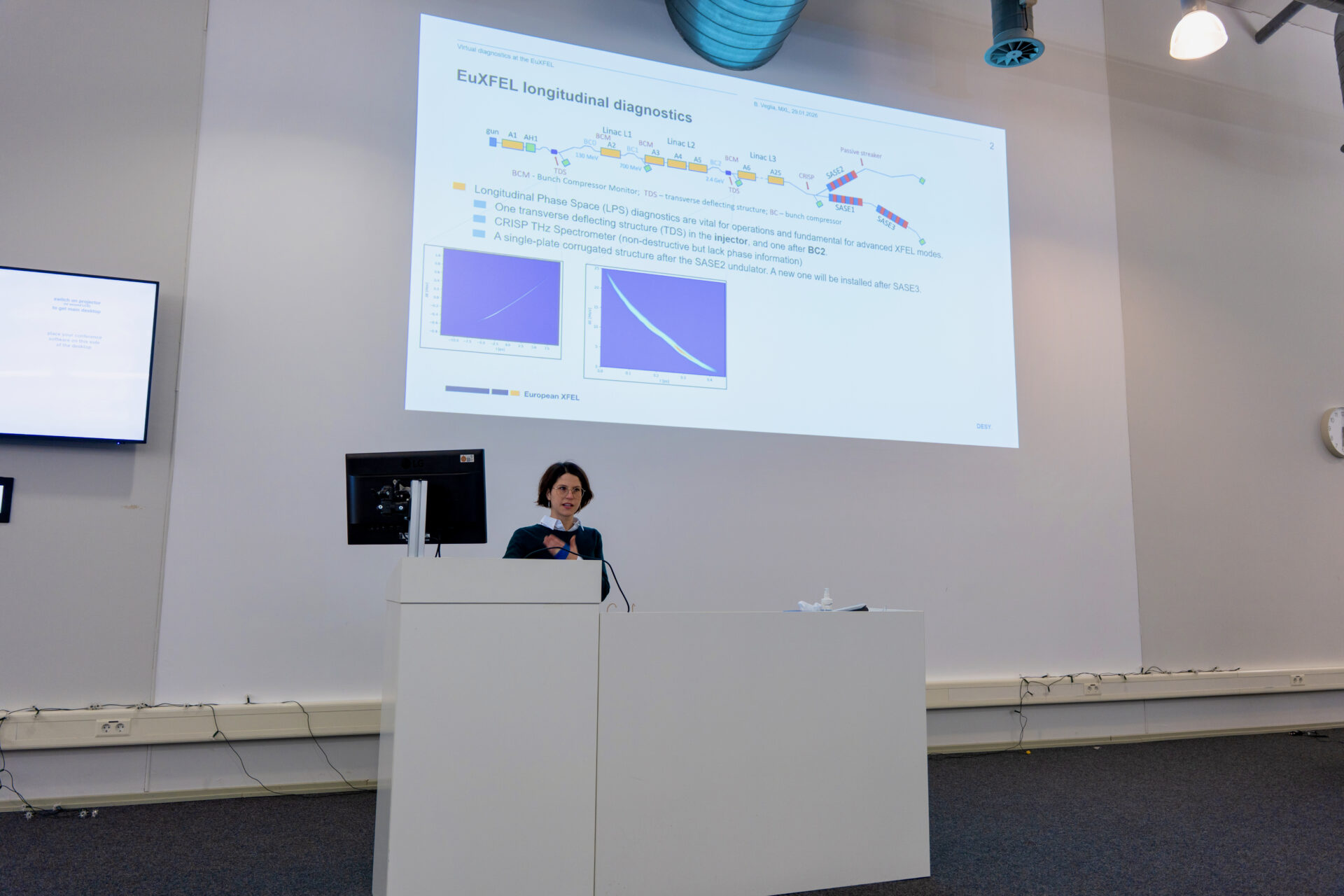
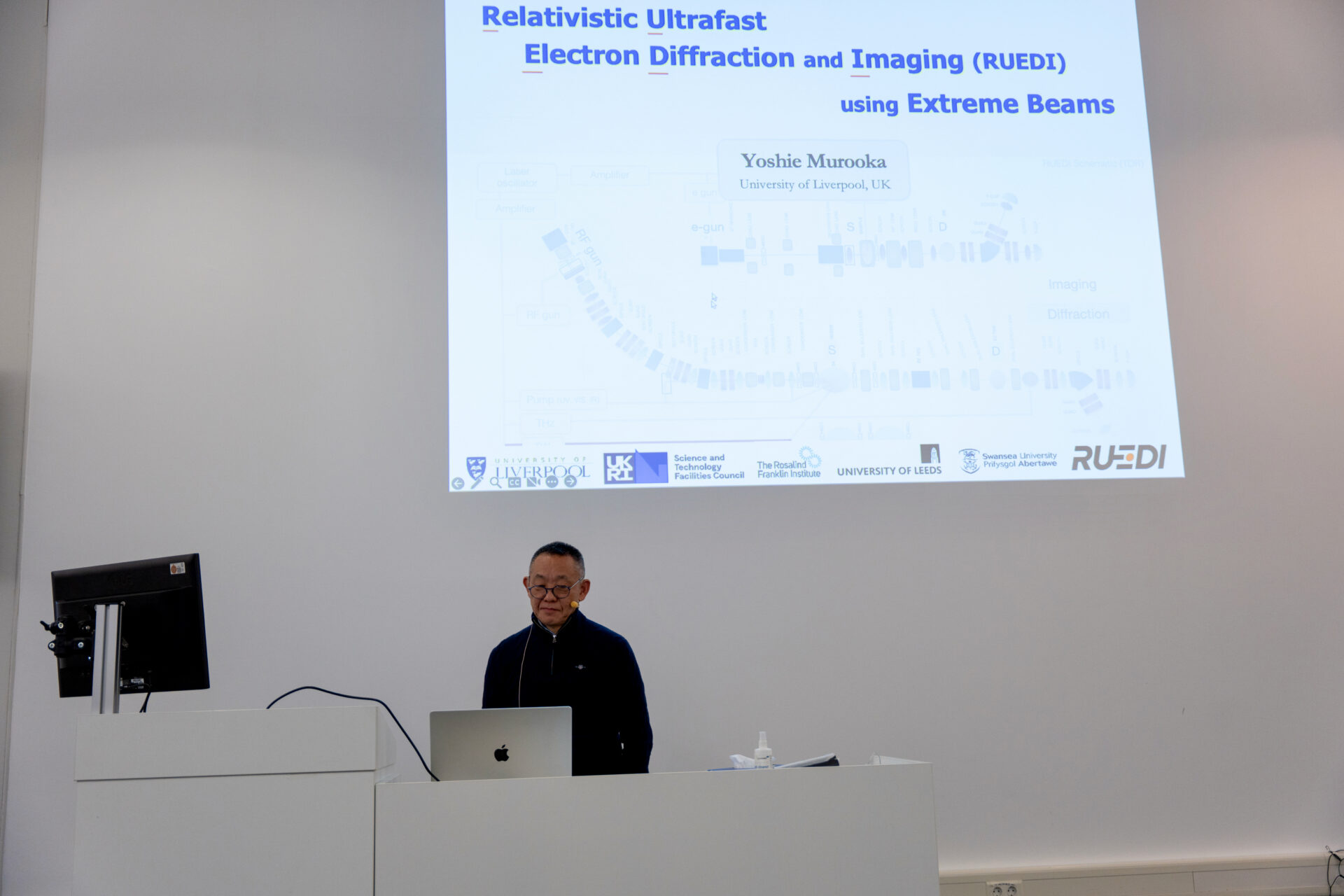
In the pictures below: among the speakers Bianca Veglia (DESY); Johan Lundquist (MAX IV); and Yoshi Murooka (University of Liverpool / RUEDI Project).
Pictures courtesy of: Sergey Tomin (DESY).
This workshop marked the final event in the series of DIGITAL LEAPS activities, the consortium’s flagship initiative aimed at strengthening the resilience of LEAPS research infrastructures and supporting their green transition. Looking ahead, a new generation of LEAPS Internal Projects will be initiated and delivered within the framework of the LEAPS Incubator, currently under development—stay tuned for upcoming initiatives and opportunities.
Worshop agenda can be found here.