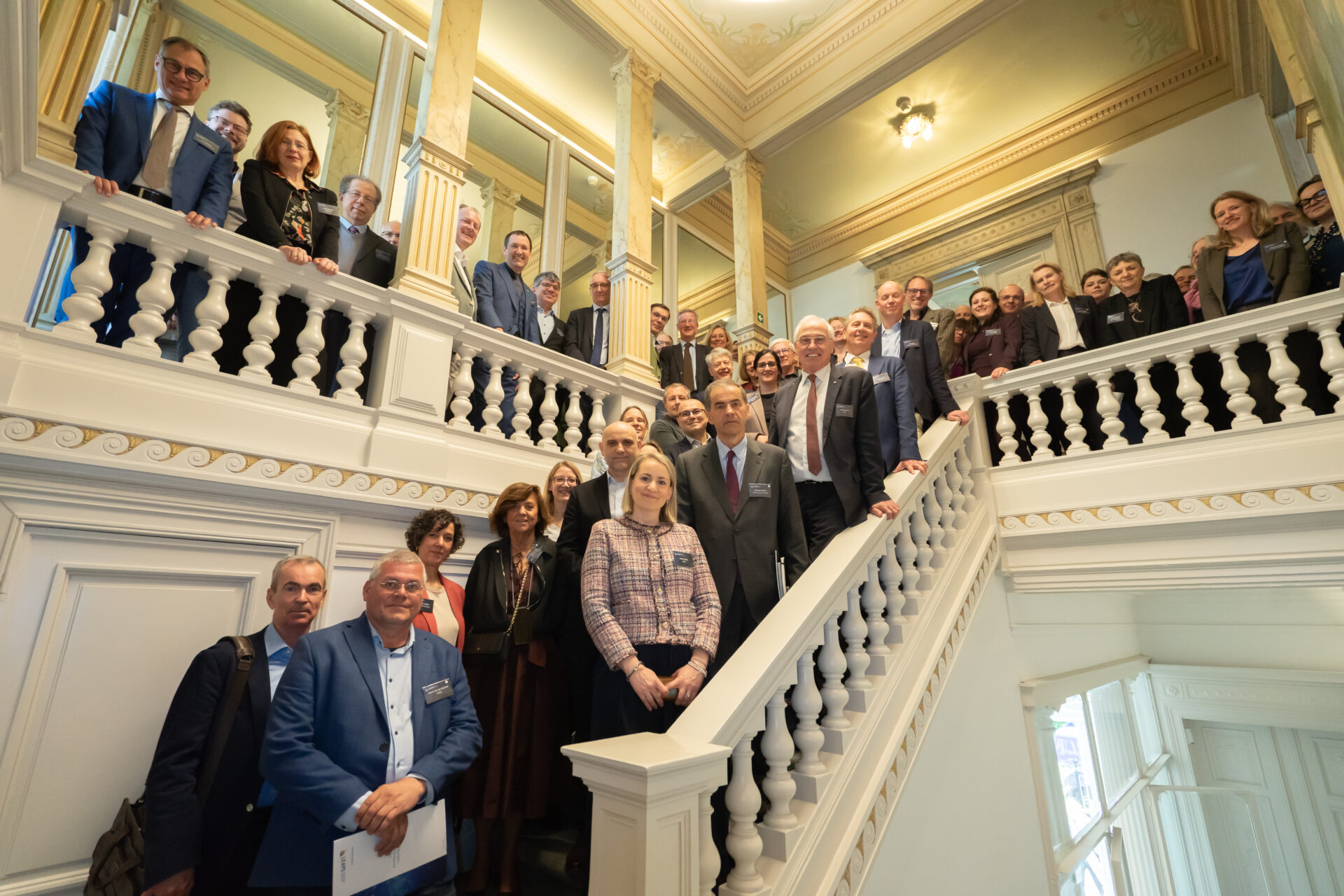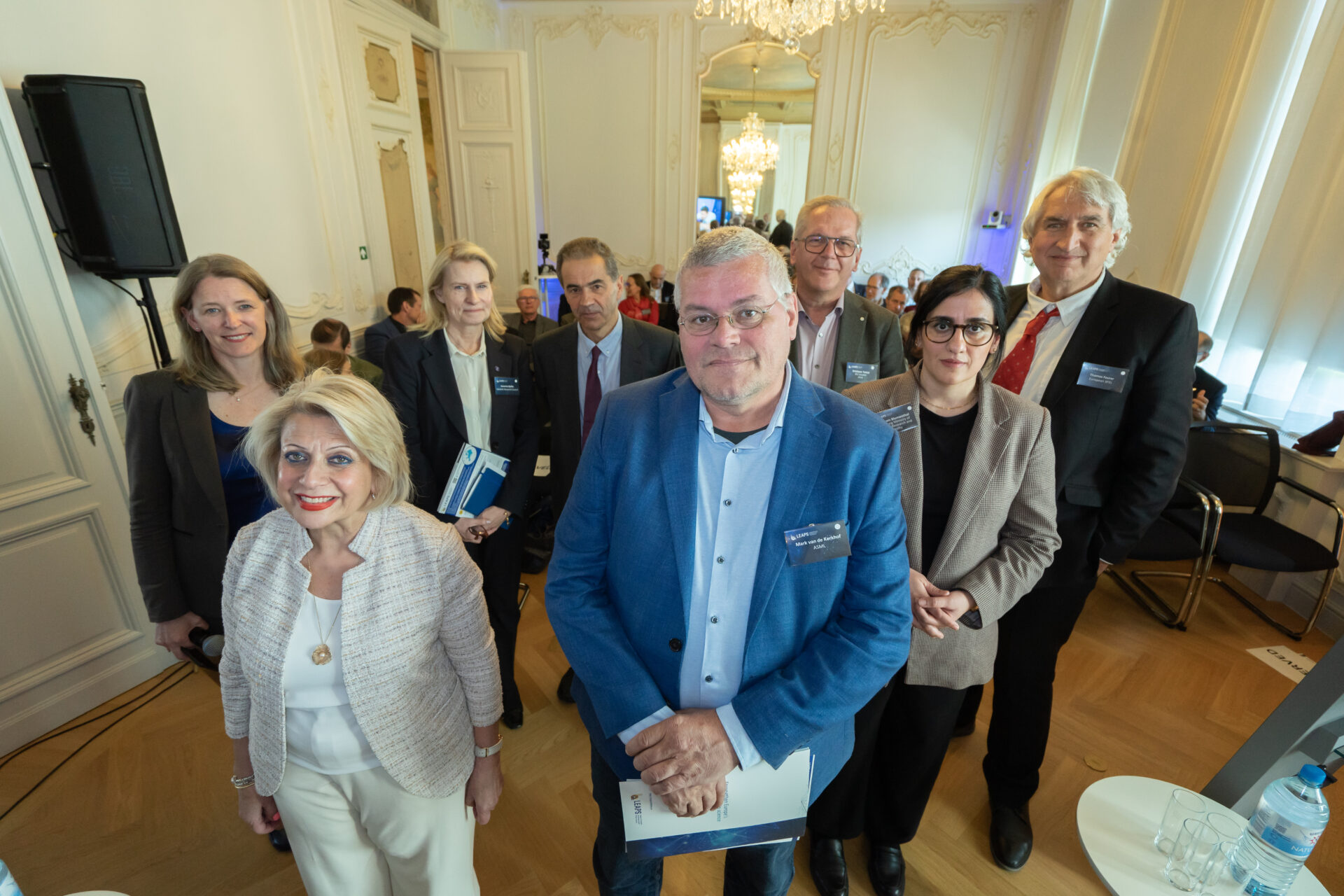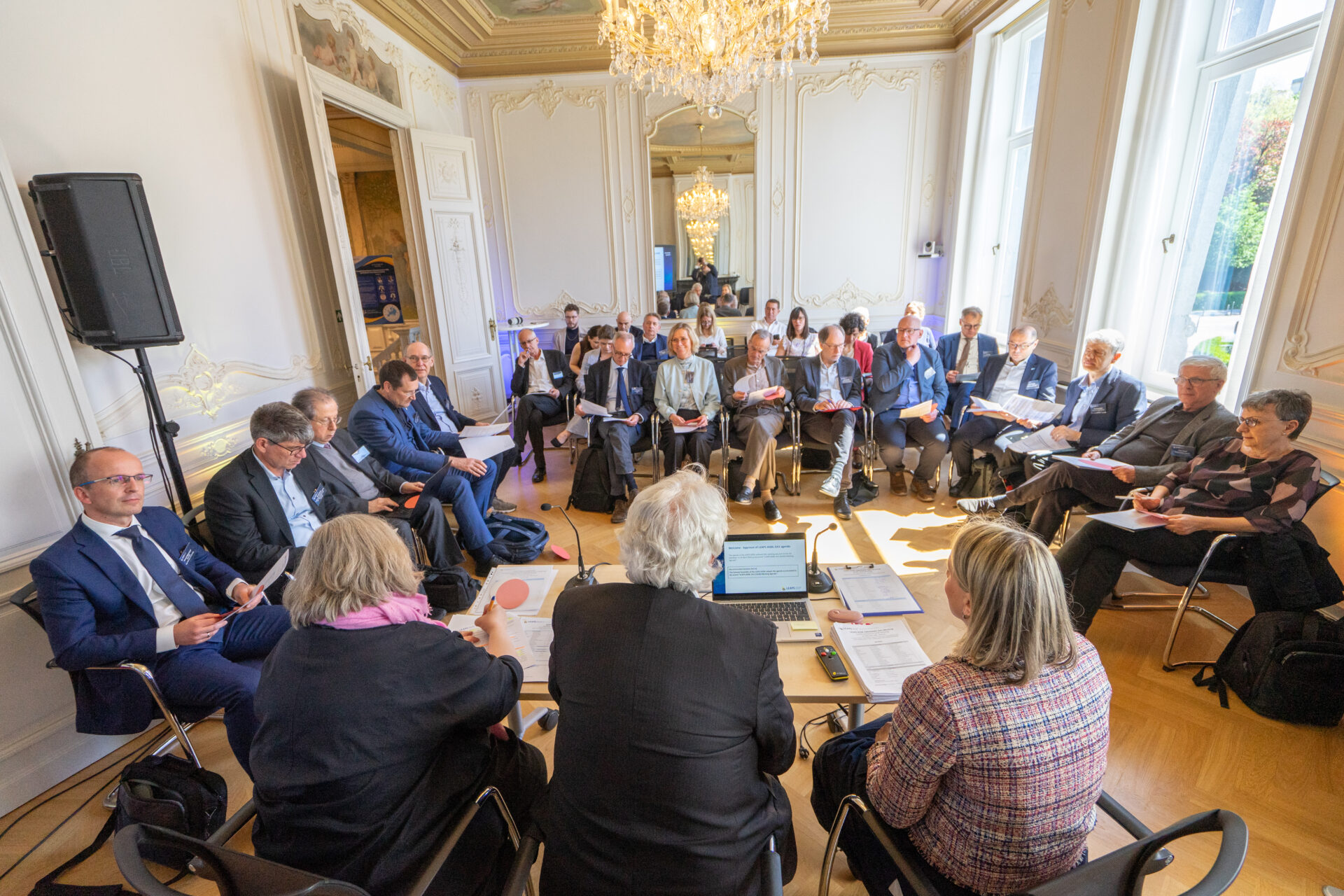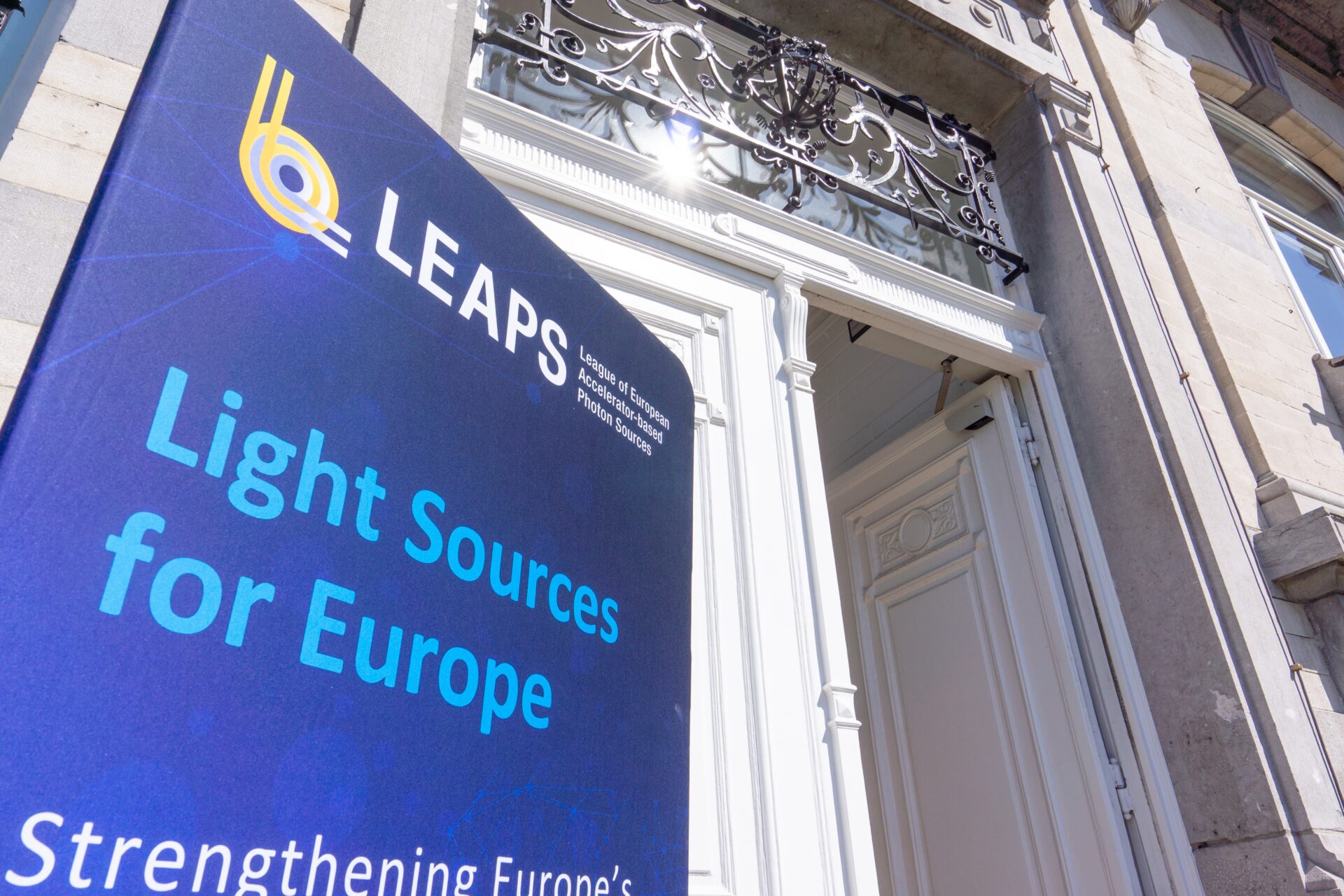
The formal establishment of LEAPS AISBL in Brussels brings Europe’s leading photon science facilities into a new phase of coordination, strengthening the strategic role of research infrastructures in FP10.
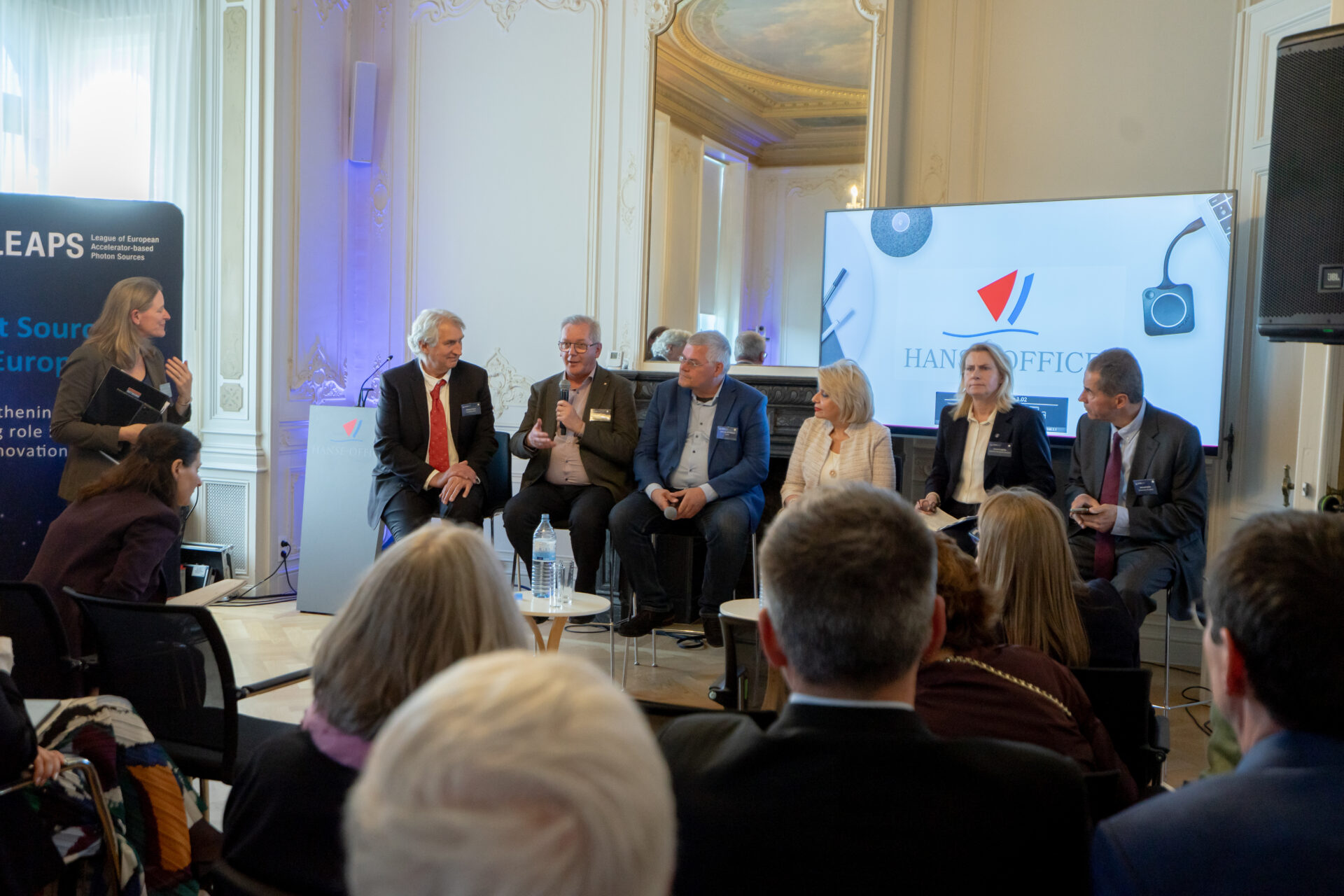
On 22 April 2026, the inauguration of LEAPS AISBL in Brussels marked an important milestone for Europe’s research and innovation landscape, bringing together policymakers, research leaders, industry representatives and the scientific community to reflect on the role of large-scale research infrastructures in shaping Europe’s future. The event, held at the Hanse Office, set out to explore how Europe’s network of synchrotrons and free-electron lasers can contribute to competitiveness, technological sovereignty and resilience at a time of growing geopolitical and economic uncertainty.
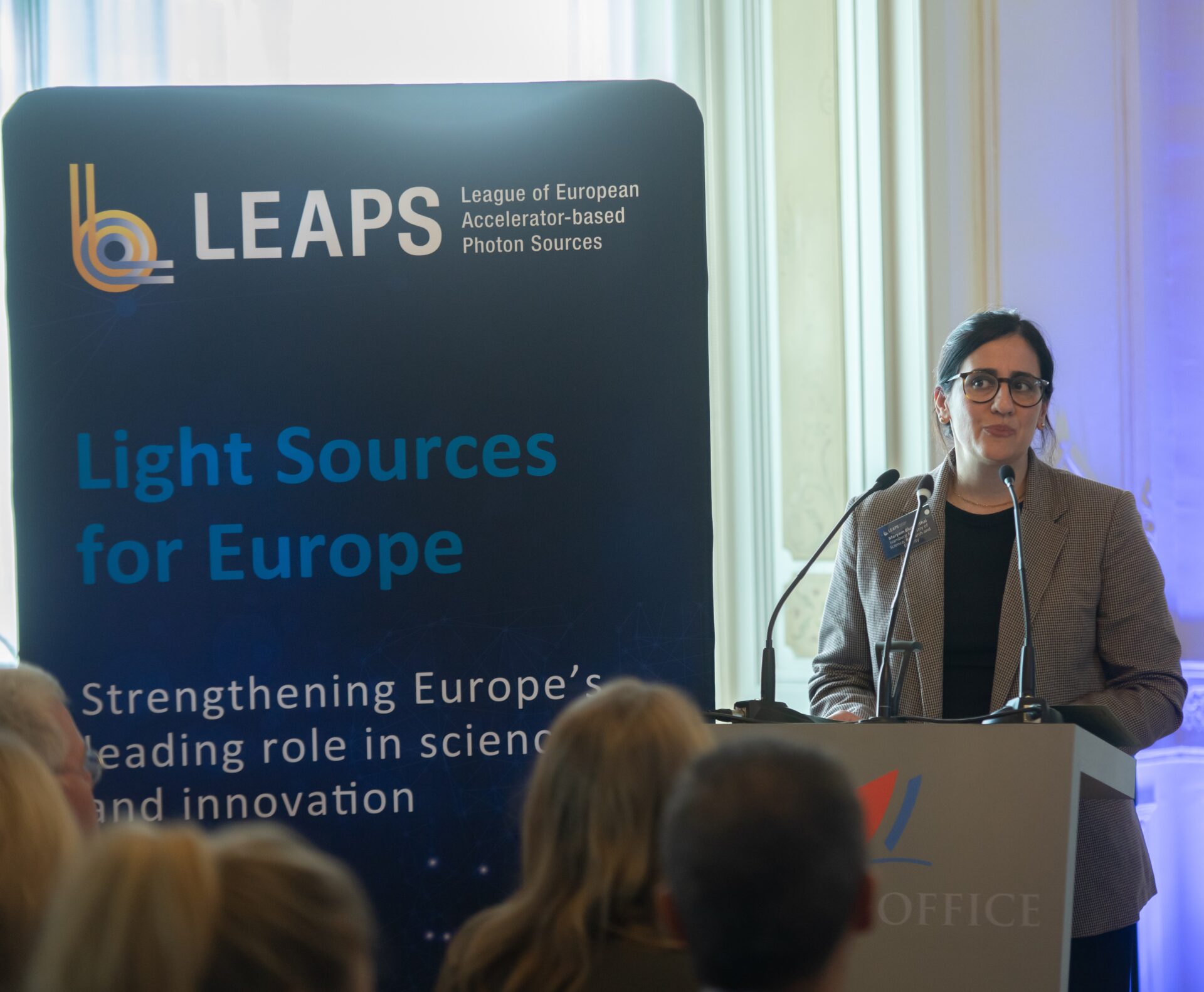
Opening the evening, Maryam Blumenthal, Hamburg Senator for Science, Research, and Equality, framed the discussion through the lens of cooperation as a defining European strength. She mentioned that Hamburg built its first harbor warehouse in the 13th century. It wasn’t because Hamburg was so especially powerful. It was because Hamburg understood that you become stronger by connecting, not by closing down. Drawing a parallel between history and today’s European research and innovation ecosystem, she emphasised that research infrastructures are central to that. They play a key role for cutting-edge science, and thus for our technological sovereignty and geostrategic autonomy, highlighting their function not only as research facilities but as ecosystems that enable innovation, collaboration and long-term strategic capacity.
The formal establishment of LEAPS as an AISBL represents a step forward in structuring this collaboration at the European level. As Thomas Feurer, Chair of the LEAPS Board of Directors, Managing Director of the European XFEL, noted: “In 2017, almost 10 years ago, by uniting our facilities, we have created a powerful platform that no single research institution could have achieved alone.” Reflecting on the evolution of the initiative, he added, “With the AISBL, we now create the legal framework to move further into the future. This is even more relevant in times like these, where aspects of dual use, data security, sovereignty, science diplomacy have to be addressed in a very serious way.” Today LEAPS brings together a network of leading photon science infrastructures serving more than 35,000 users annually, acting as what Thomas Feurer described as “a single entry point for the European Commission and its bodies” and “an integrator” capable of responding to complex policy challenges.
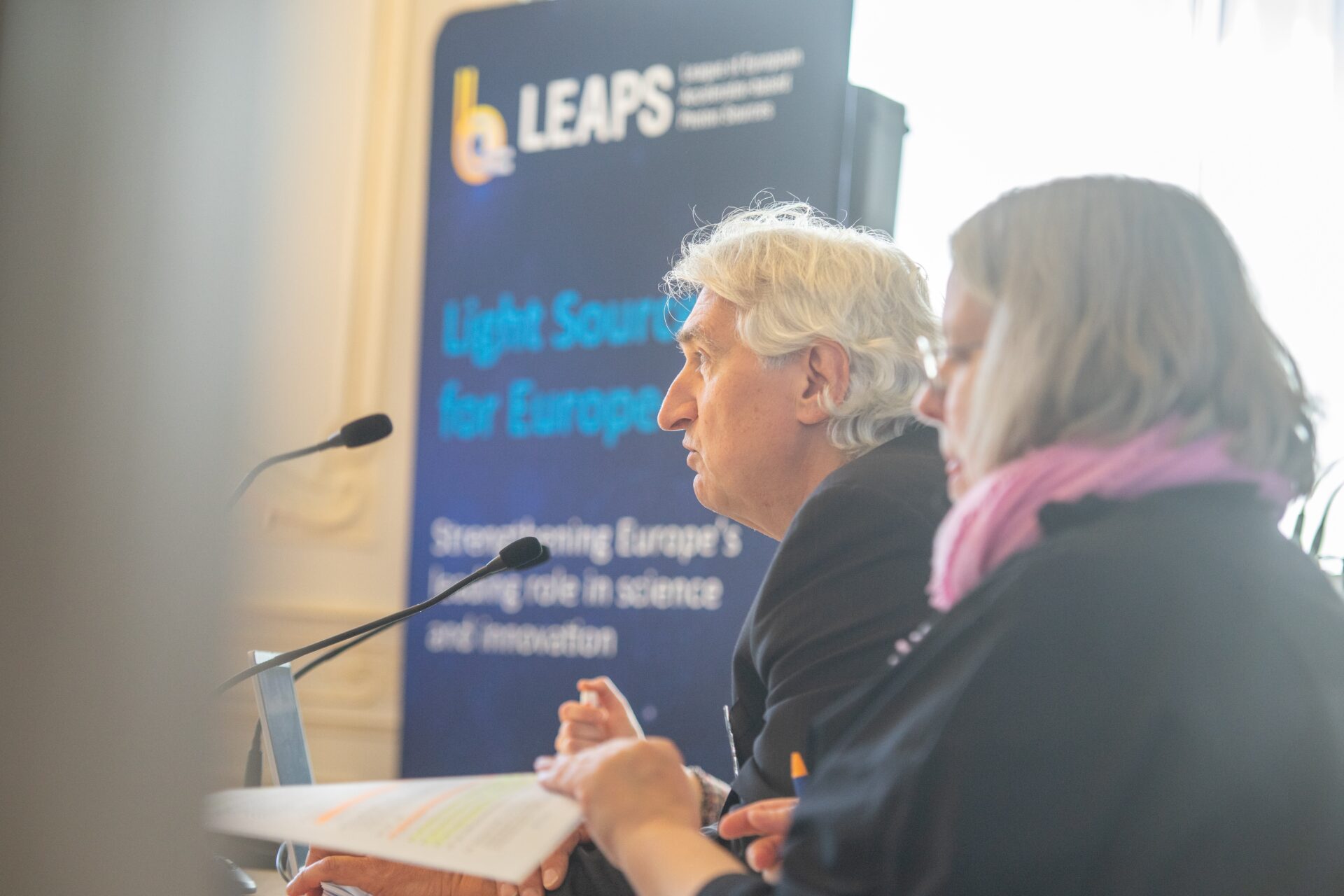
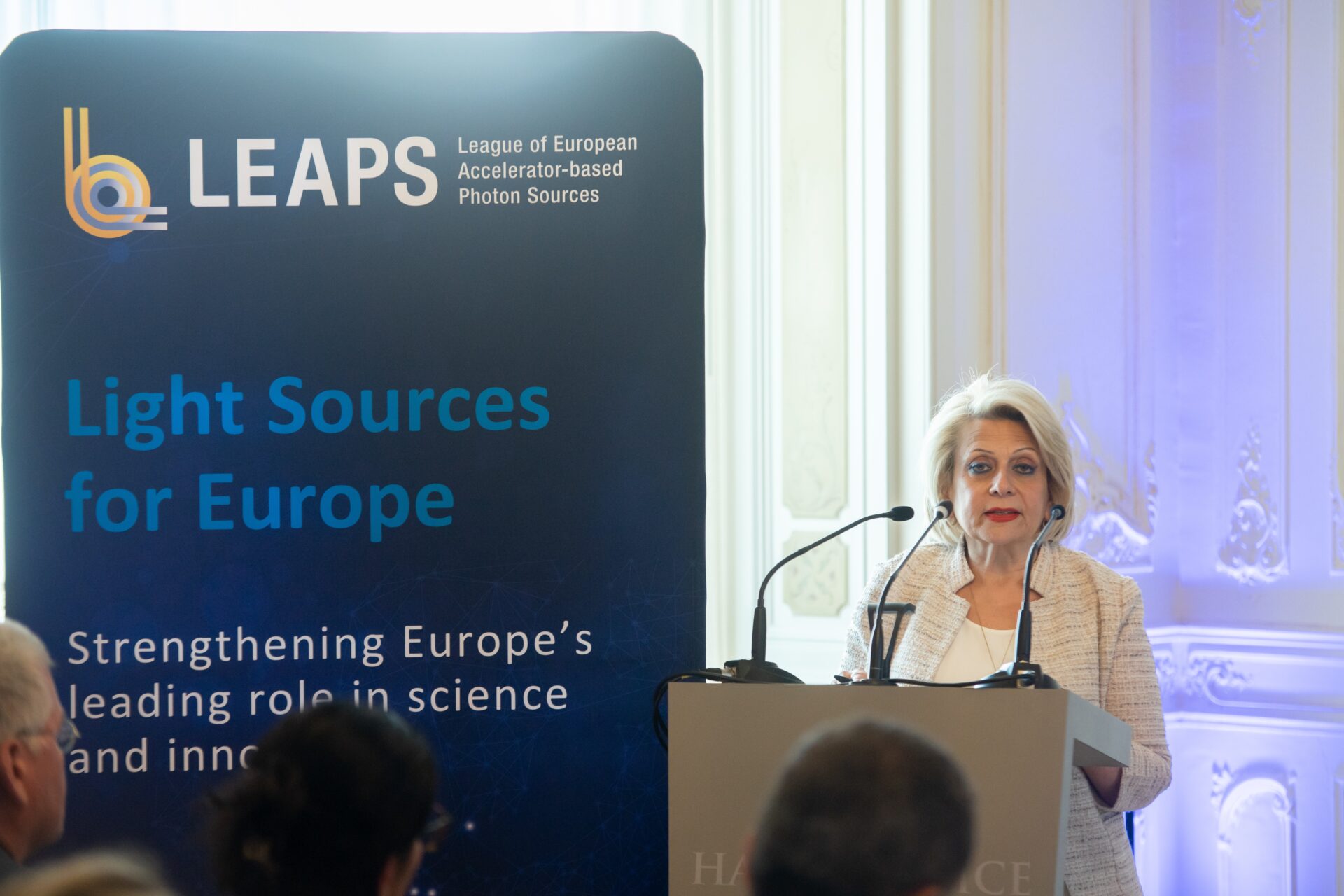
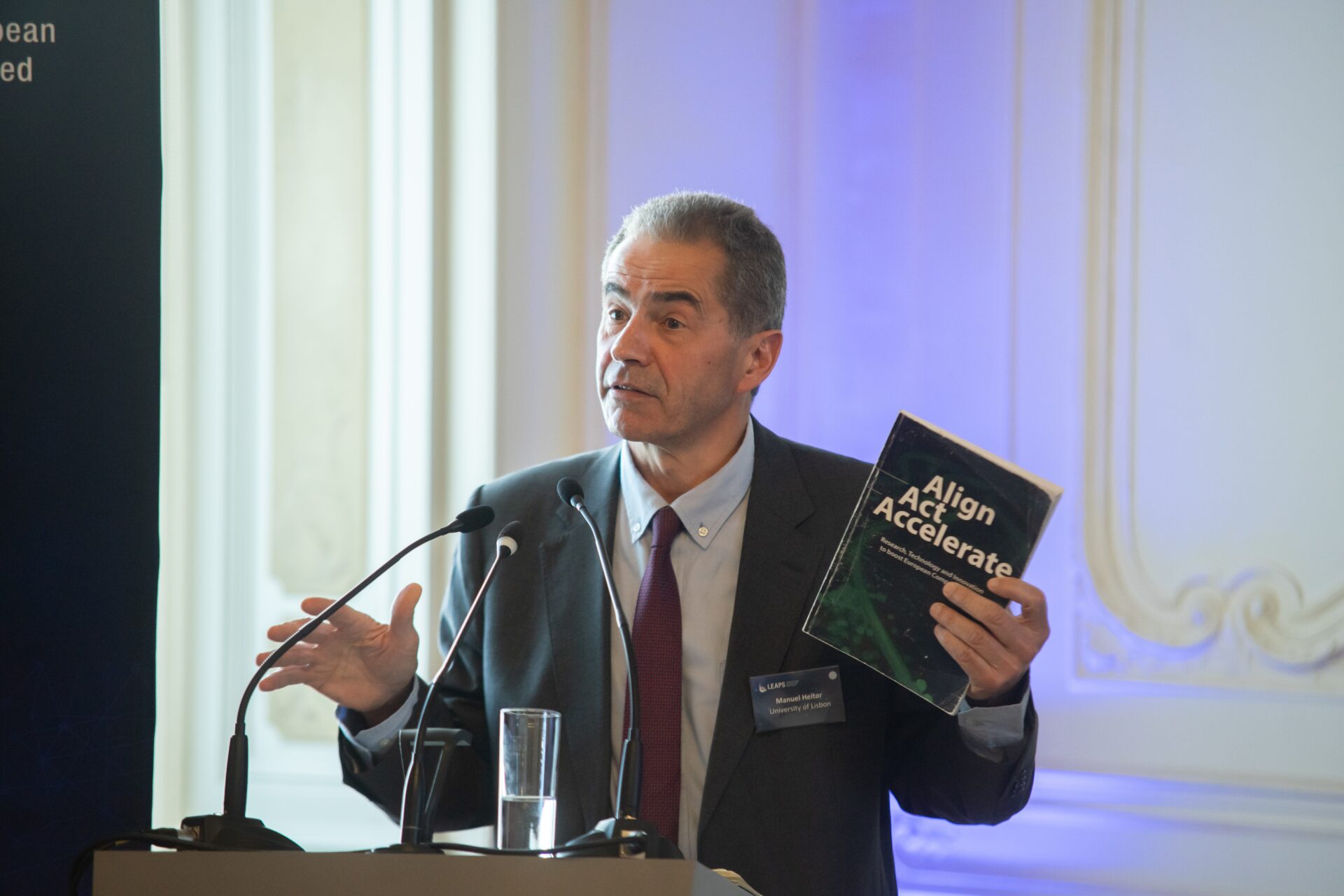
The panel discussion moderated by Maryline Fiaschi, CEO Science Business, turned to the future of research infrastructures within the next Framework Programme, FP10, and the broader transformation of the European research and innovation system. Joanna Drake, Deputy Director-General DG RTD, European Commission, underlined that Europe’s ability to compete globally will not be determined solely by how much knowledge it produces, but also by how effectively it can translate that knowledge into innovation, economic value, and strategic autonomy. She pointed to a shift away from fragmented, short-term project funding toward a more integrated ecosystem approach. This difference between short-term funding cycles and the long-term nature of research infrastructures was a recurring theme throughout the panel. Thomas Feurer highlighted the structural mismatch, explaining that this requires a much more long-term funding perspective and also much more long-term commitment from the funding agencies, adding that the lifetime of an infrastructure can be several decades. Katarina Bjelke, Director General of the Swedish Research Council, reinforced this need for stability, noting that infrastructures need to be guaranteed a stability over a very long time, while also calling for more diversified funding streams. Prof. Manuel Heitor from the University of Lisbon, Portugal’s former Minister of Science, Technology and Higher Education, was more direct in his critique of current models, stating that while project-based funding may be a very interesting way to distribute money, it’s a terrible way to do science, arguing for longer-term, larger-scale funding instruments better aligned with the realities of both scientific research and industrial competitiveness.
The role of research infrastructures in bridging science and industry emerged as another central theme. Mark van de Kerkhof, Director EUV Research, ASML described the deep reliance of advanced industrial research on such facilities, noting that we are extremely grateful that within Europe we have the infrastructure that we can leverage to do our work, particularly given the complexity and cost of the technologies involved. He emphasised that this dependence extends beyond large companies, and that many smaller companies arecritically dependent on access to public sources, underlining the importance of maintaining open and accessible infrastructures within a broader innovation ecosystem. From an academic perspective, Prof. Kristiaan Temst, Head of the Quantum Solid State Physics research unit at KU Leuven; Pathfinding for Semiconductor Technologies, imec, Leuven, highlighted how photon science connects fundamental research with technological development, explaining that photon sources can help us enormously in understanding fundamental mechanisms and that is very relevant to applications, while also pointing to persistent cultural and structural barriers, particularly related to intellectual property and industry engagement.
Talent was identified as both a major strength and a potential vulnerability for Europe. Thomas Feurer observed that talents pick places where they believe very strongly that they can reach their goals, highlighting the importance of positioning research infrastructures as attractive destinations for global talent. He argued that while individual institutions already play this role effectively, LEAPS can certainly help to bundle these efforts and make a stronger effort to attract talents at the European level. However, Joanna Drake pointed to structural obstacles in Europe’s innovation system that can slow down career progression and drive talent elsewhere, particularly as researchers seek opportunities to engage with industry and bring innovations to market. Kristiaan Temst added that the profile of young researchers is evolving, noting that nowadays, we see many more PhD students who want to make the transition to industry, and describing how working at large-scale facilities provides a transformative experience: they have witnessed another way of doing science, a very exciting way of doing science, one that shapes not only their research but their broader approach to collaboration and problem-solving.
More broadly, the discussion returned repeatedly to the need for improved governance and coordination across European, national and regional levels, particularly in the context of future funding models and the long-term sustainability of research infrastructures. As several speakers underlined, aligning funding streams and ensuring stability will be essential to fully unlock the potential of Europe’s research infrastructure ecosystem. The discussion at the LEAPS AISBL inauguration reflected a shared understanding that research infrastructures are no longer peripheral components of the European research landscape, but central pillars of its future. The transition from vision to action will require not only sustained investment, but also structural reforms in funding, governance, innovation policy and talent development. As Europe navigates an increasingly competitive and uncertain global environment, the ability to strengthen and integrate its research infrastructure ecosystem will play a decisive role in shaping its scientific, technological and economic trajectory.
Beyond the policy debate, the inauguration of LEAPS AISBL itself marked a structural turning point for the European research infrastructure landscape. By establishing a formal legal entity, LEAPS moves from a coordination platform to a more robust and recognisable actor within the European research and innovation ecosystem. This step strengthens its ability to represent the collective interests of its member facilities, engage more effectively with European institutions, and contribute to shaping policy discussions at a strategic level. In a context where research infrastructures are increasingly expected to deliver not only scientific excellence but also societal and economic impact, the creation of LEAPS AISBL signals a clear ambition: to act as a unified European voice and to position photon science infrastructures as key enablers of Europe’s future competitiveness.
Watch a short video capturing key moments from the LEAPS AISBL inauguration in Brussels.